An initiative of the National Council for Workforce Education, the Sustainability Education and Economic Development Center (SEED) supports community colleges and their partners with curriculum and resources to transform educational programs for a sustainable future.
Menu
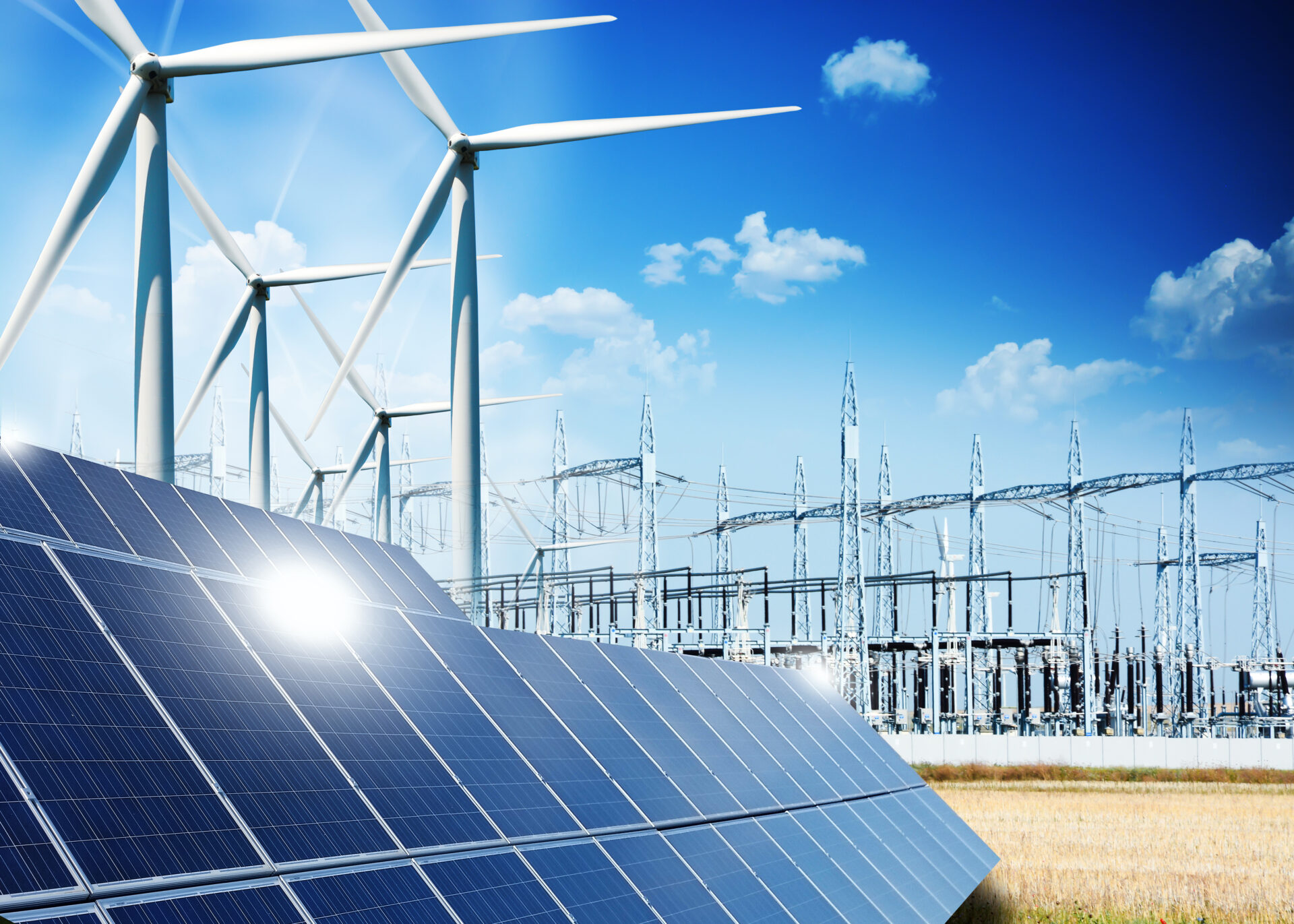
In 2023, solar and winded added more than 60% of the utility-scale generating capacity to the U.S. power grid
Recycling 1 ton of paper saves 17 trees
The number of jobs in battery electric vehicles increased by 28,366 (+27%) from 2021 to 2022, the fastest energy technology growth
40% of today’s global population works in agriculture, making it the single largest employer in the world
Previous slide
Next slide
In 2023, solar and winded added more than 60% of the utility-scale generating capacity to the U.S. power grid
Recycling 1 ton of paper saves 17 trees
The number of jobs in battery electric vehicles increased by 28,366 (+27%) from 2021 to 2022, the fastest energy technology growth
40% of today’s global population works in agriculture, making it the single largest employer in the world
Previous slide
Next slide
Who We Are
The Sustainability, Education and Economic Development (SEED) Center is a FREE initiative offered by the National Council for Workforce Education. Maintaining NCWE’s commitment to ‘workforce education for all,’ the SEED Center aims to advance equitable sustainability and clean technology education programs at community and technical colleges by sharing vetted, inclusive, innovative practices and resources to help college administrators, faculty, and staff meet the changing demands of the clean economy. The Center is managed by a team of higher education experts who vet and curate SEED resources and curriculum.
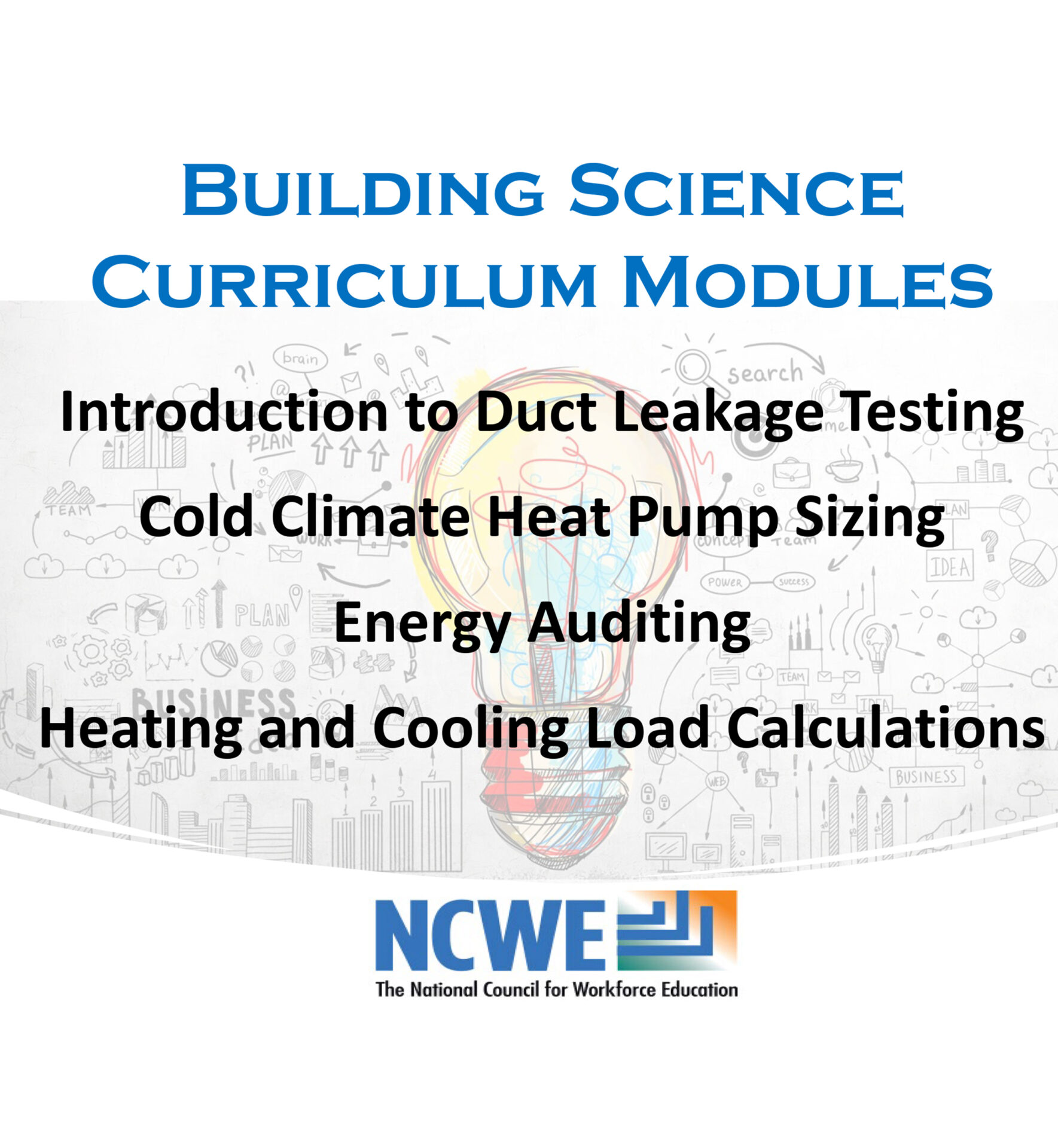
Free curriculum modules and links to OER materials in renewable energy, transportation, building sciences, sustainable and regenerative agriculture, natural resources and water, and sustainability education.
Resources
Access to resources in subject areas including renewable energy, agriculture & food production, building construction, building performance, transportation, general sustainability, & more.
Toolkits
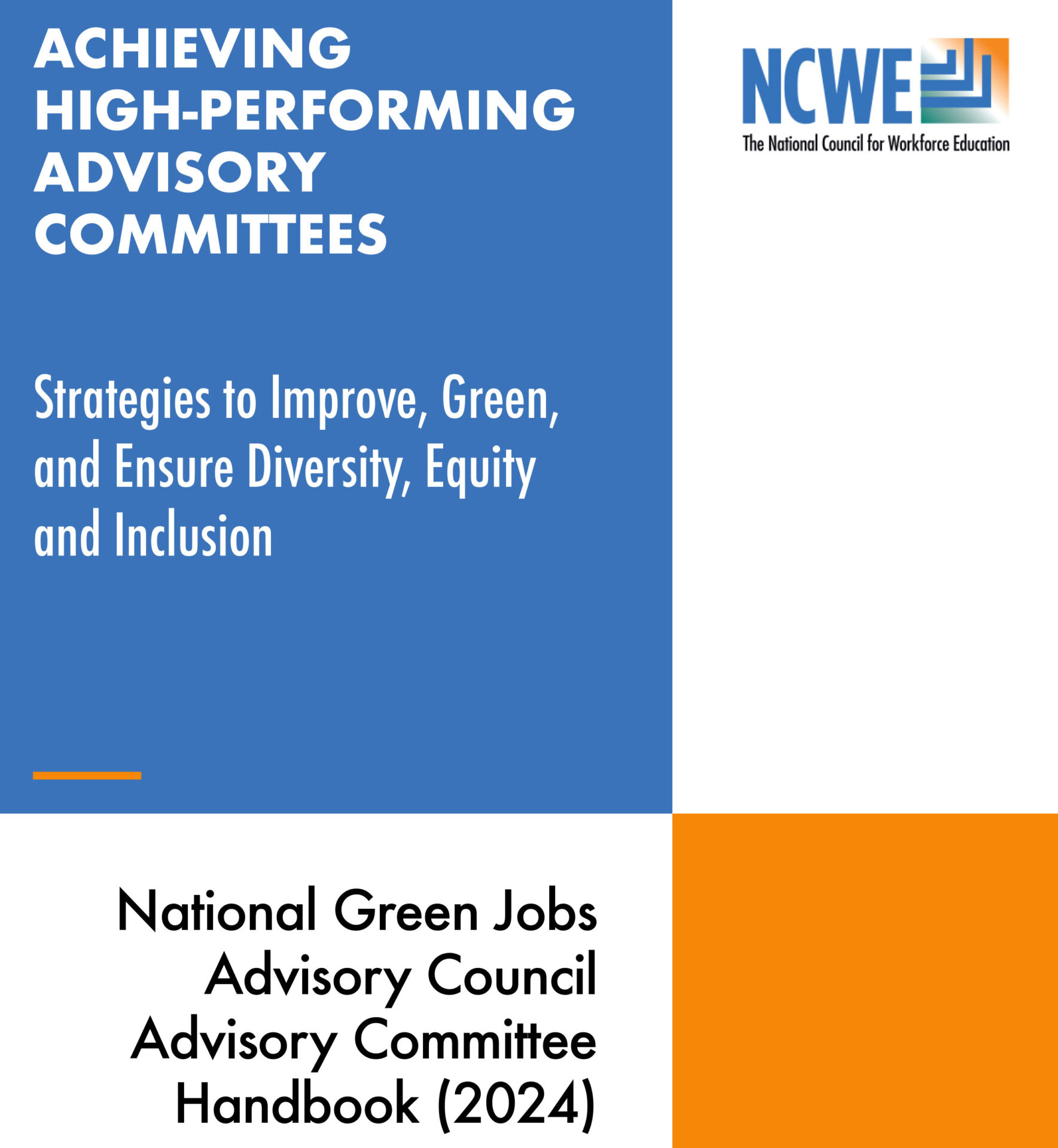
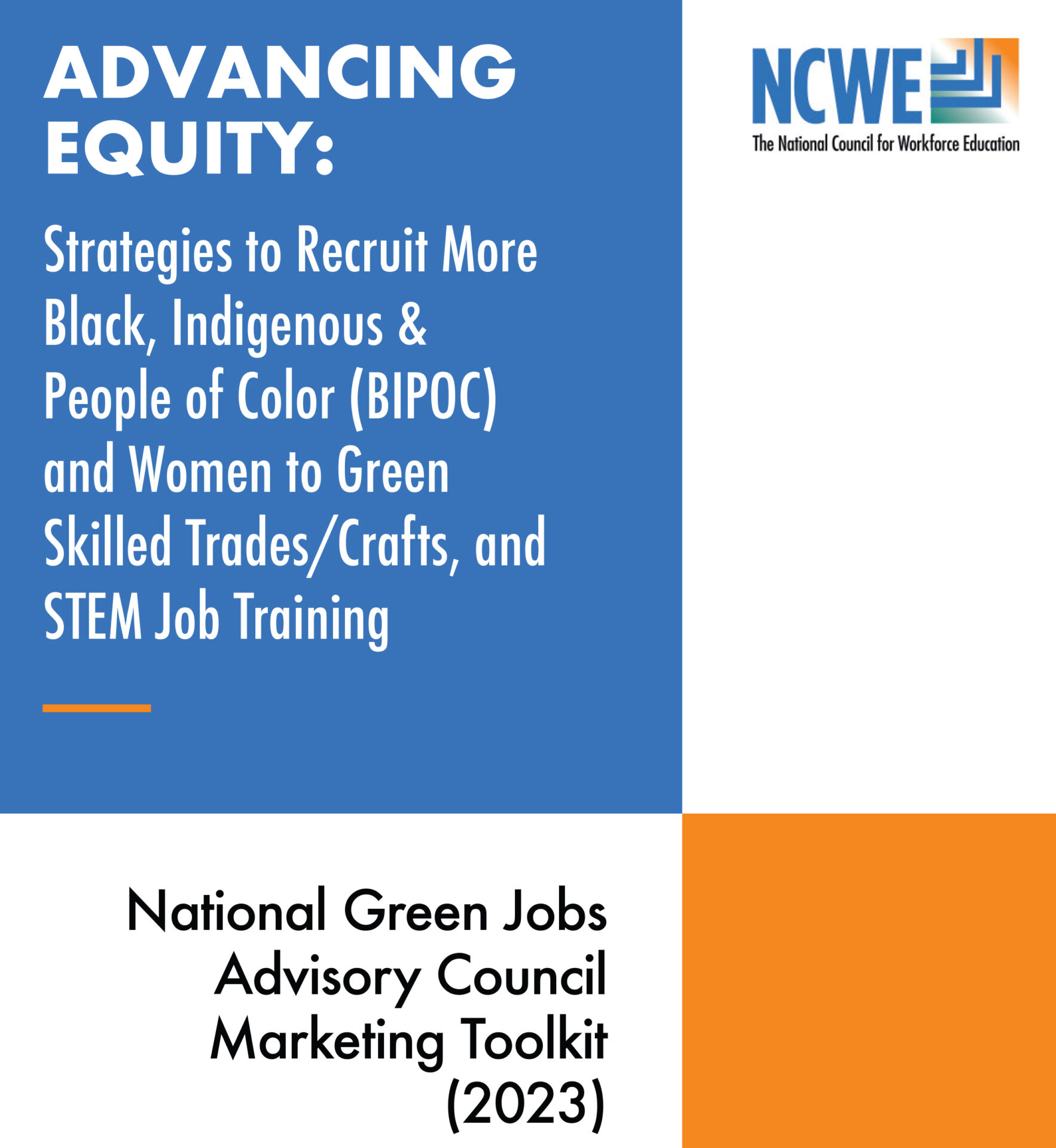
A set of practical guides and actionable steps that colleges can take to prepare a skilled workforce and become change agents in their own regional efforts to develop a green and sustainable economy.
Facts & Statistics
According to the World Economic Forum, the energy efficiency sector including green technologies for HVAC/R added 3.3% new jobs in 2021
The 2023 U.S. Energy and Employment Report found that the number of jobs in battery powered electric vehicles increased by 29,366 (27%) from 2021-2022
The 2023 US Energy and Employment Report found that from 2021-2022 clean energy jobs grew 3.9% nationally which was higher than the overall US job growth (3.1%)
The Inflation Reduction Act (2023) provisioned $369B in climate-related investments and clean energy technologies